Why People Enjoy Predicting The Outcome Even When Prediction Changes Nothing
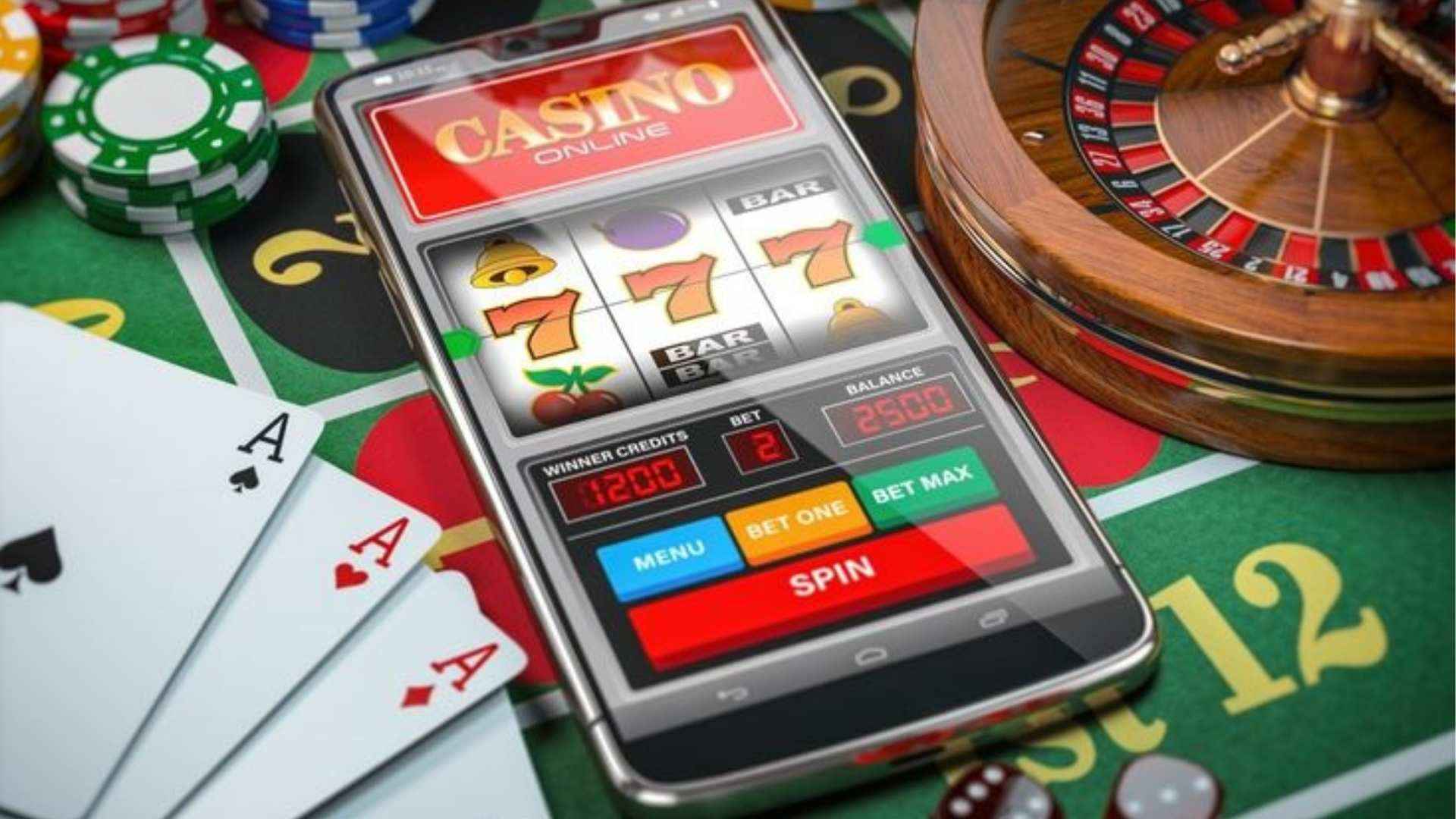
Human beings routinely attempt to forecast future events, even in scenarios where their guesses have zero impact on the final result. Whether calling heads or tails before a coin toss or guessing where a roulette wheel will land, stating a prediction elevates simple observation into a personal venture. This peculiar psychological drive turns passive waiting into an active mental exercise that deeply engages our focus.
The Psychology of Active Participation
When an observer voices an expectation, the brain transitions from passive viewing to active tracking. Stating a preference creates a sense of involvement, making the eventual outcome feel personal rather than distant. This cognitive shift transforms an otherwise mundane event into a mini spectacle filled with emotional anticipation.
Neuroscientists suggest that the human mind naturally functions as a prediction engine that continuously seeks patterns. Calling an outcome before it occurs tests our internal models against real-world data, delivering a quick mental spark when our predictions align with reality. This intrinsic feedback loop satisfies our innate desire to feel connected to surrounding events.
The Illusion of Control and Agency
Psychological research frequently highlights the illusion of control, a tendency where individuals believe they can influence purely random occurrences. By actively selecting a result, participants feel a subtle sense of agency over chaotic systems. This feeling provides temporary comfort against the realization that many life events are governed entirely by chance.
This mental mechanic is widely utilized across digital games and online platforms, including services like m88 link alternatif, where anticipation forms the core user experience. Even when players understand that outcomes are generated by unbiased algorithms, the act of making a choice amplifies personal engagement. It turns mechanical processes into memorable moments of suspense.
Validation and Cognitive Rewards
Correctly guessing an outcome releases dopamine, a neurotransmitter associated with pleasure and motivation. Even when no tangible prize or money is involved, the psychological reward of being right feels inherently validating. This simple internal satisfaction reinforces our desire to keep guessing during future events.
Conversely, incorrect predictions rarely cause significant distress when the stakes are nonexistent. The cognitive cost of a wrong guess is low, while the mental satisfaction of a correct guess is disproportionately high. This favorable balance encourages people to continue making low-stakes predictions for pure entertainment.
Fostering Social Connections
Predicting outcomes also serves as a powerful social tool during group activities and public events. When friends share their individual forecasts before a match or game, it sparks lively debates and friendly rivalries. These shared expectations build a sense of community around unpredictable moments.
Ultimately, making predictions allows individuals to transform passive observation into an interactive narrative. It fulfills our fundamental drive to engage with the unknown, proving that the journey of anticipation is often just as rewarding as the final result itself.